When the harsh Illinois winter arrives in Libertyville, having a reliable and efficient heating system becomes more than just a comfort—it’s a necessity for your family’s safety and well-being. With average January temperatures dropping to a bone-chilling 15°F and heating degree days reaching over 6,800 annually, Libertyville homeowners face unique challenges that require carefully considered heating solutions [1].
This comprehensive guide will walk you through everything you need to know about heating systems specifically for Libertyville, IL homes, including detailed cost analyses, efficiency comparisons, local climate considerations, and expert recommendations from Legendary Service, your trusted HVAC partner in the greater Chicago area.
Understanding Libertyville’s Unique Climate Challenges
Libertyville’s continental climate presents distinct heating challenges that directly impact your choice of heating system. Located in Lake County, Illinois, approximately 40 miles north of Chicago, Libertyville experiences a climate characterized by cold, snowy winters and warm, humid summers [2].
Climate Data That Impacts Your Heating Needs
The National Weather Service data reveals that Libertyville experiences:
- Winter temperatures: Average highs of 31°F in January, with lows dropping to 15°F
- Heating season: Typically runs from October through April, spanning 7 months
- Annual heating degree days: Approximately 6,800 (base 65°F), indicating substantial heating requirements
- Snowfall: Average of 38 inches annually, with potential for extreme weather events
- Humidity levels: High humidity in summer (70%+) and moderate in winter (60-70%)
These climate factors directly influence your heating system’s performance, efficiency, and operating costs. The extended heating season means your system will operate for nearly two-thirds of the year, making efficiency and reliability paramount considerations.
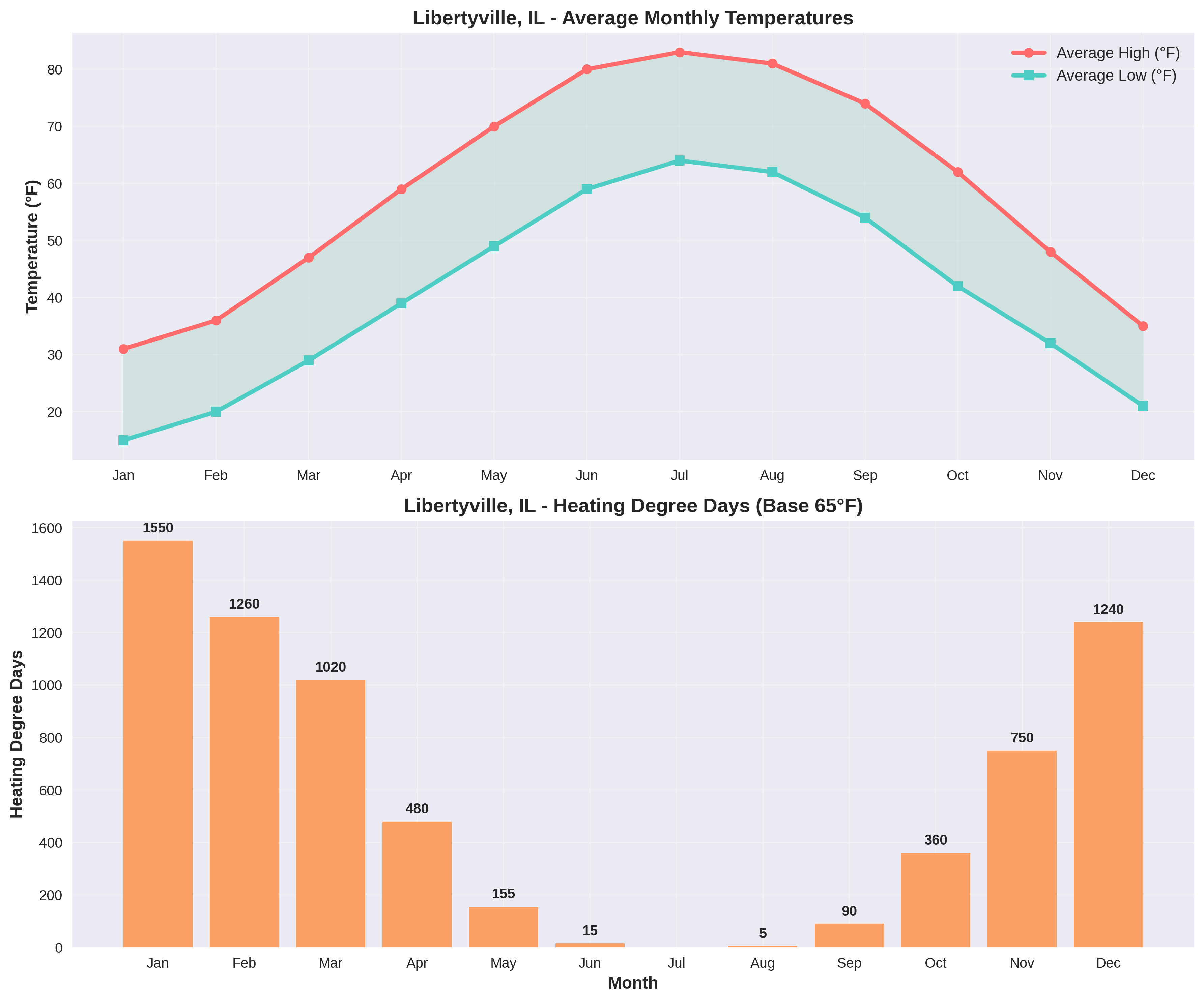
Figure 1: Libertyville, IL monthly temperature averages and heating degree days
How Local Weather Patterns Affect Heating System Performance
The proximity to Lake Michigan creates unique microclimatic conditions that can impact heating system performance. Lake-effect weather patterns can lead to sudden temperature drops and increased humidity levels, which affect different heating technologies in various ways.
Heat pumps, for instance, experience reduced efficiency when outdoor temperatures drop below 25°F, a common occurrence during Libertyville winters. Traditional gas furnaces maintain consistent performance regardless of outdoor temperature, while geothermal systems remain unaffected by surface weather conditions due to their underground heat exchange systems.
Comprehensive Overview of Heating Systems for Libertyville Homes
Selecting the right heating system for your Libertyville home involves understanding the various technologies available, their performance characteristics in Illinois climate conditions, and their long-term cost implications. Modern heating systems have evolved significantly, offering homeowners more efficient and environmentally friendly options than ever before.
Gas Furnaces: The Traditional Powerhouse
Gas furnaces remain the most popular heating choice for Libertyville homeowners, and for good reason. Natural gas infrastructure is well-established throughout Lake County, with Nicor Gas providing reliable service to the region. Modern gas furnaces offer exceptional reliability and performance, even during the coldest Illinois winters.
Standard Efficiency Gas Furnaces (80% AFUE)
Standard efficiency furnaces, while less expensive initially, convert only 80% of the fuel they consume into usable heat. The remaining 20% is lost through the venting system. For a typical 2,000 square foot Libertyville home, this translates to approximately $1,200 in annual heating costs based on current natural gas prices of $1.20 per therm [3].
These systems typically cost between $2,500 and $4,000 to install, making them an attractive option for budget-conscious homeowners. However, the lower efficiency means higher operating costs over the system’s 15-20 year lifespan.
High-Efficiency Gas Furnaces (90%+ AFUE)
High-efficiency condensing furnaces represent the current standard for new installations in Libertyville. These systems achieve Annual Fuel Utilization Efficiency (AFUE) ratings of 90% to 98%, significantly reducing fuel consumption and operating costs.
The key difference lies in the secondary heat exchanger, which captures additional heat from the combustion gases that would otherwise be vented outside. This process creates condensation (hence the term “condensing furnace”), which must be properly drained.
For the same 2,000 square foot home, a 95% AFUE furnace would cost approximately $900 annually to operate, saving $300 per year compared to a standard efficiency unit. Over a 15-year lifespan, this represents $4,500 in energy savings, more than offsetting the higher initial cost of $4,000 to $6,500.
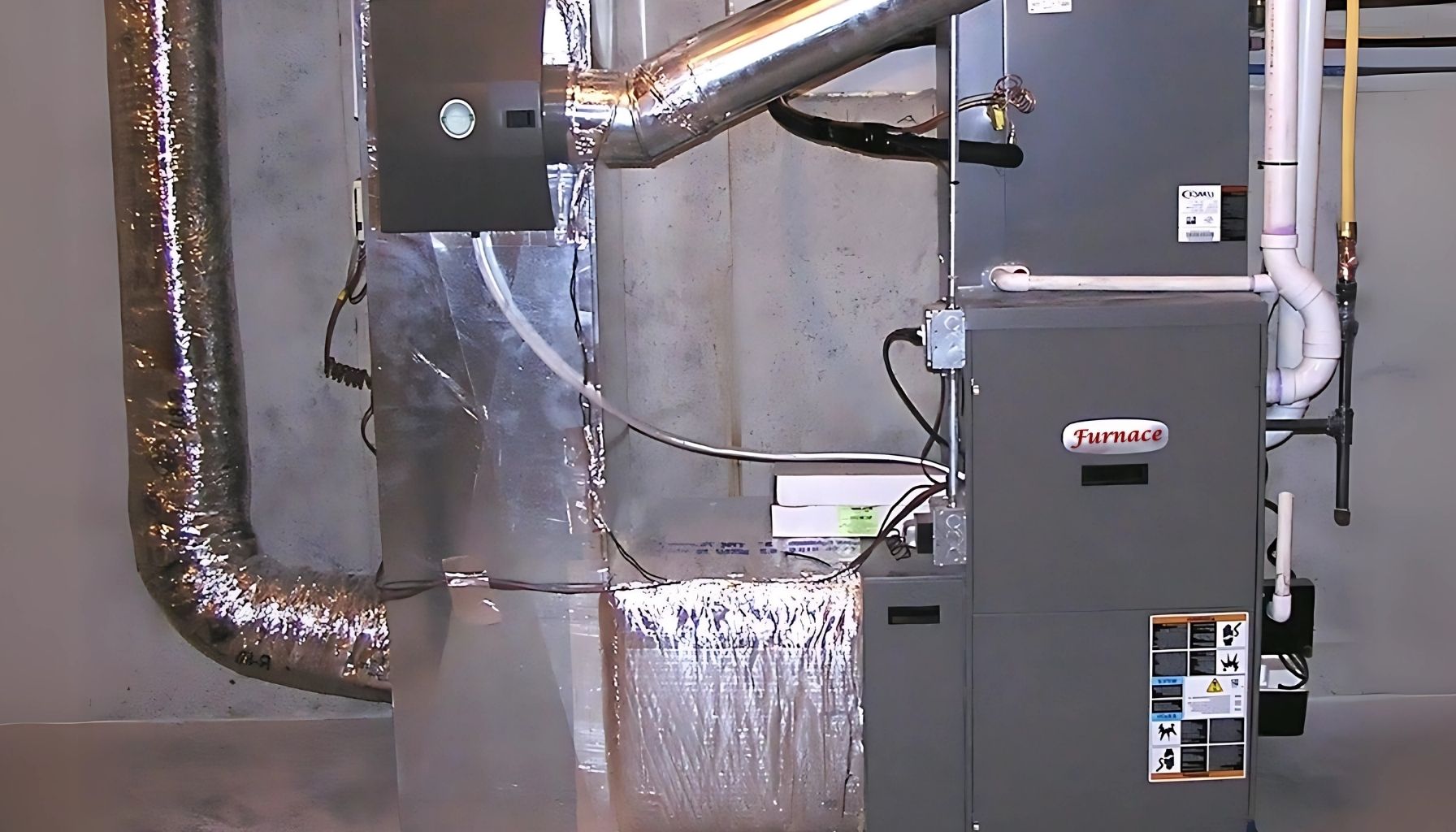
Figure 2: Professional furnace installation showing modern high-efficiency unit
Heat Pumps: Versatile Year-Round Comfort
Heat pumps have gained significant popularity in the Libertyville market due to their dual heating and cooling capabilities and exceptional efficiency ratings. However, their performance in Illinois climate conditions requires careful consideration.
Air Source Heat Pumps
Air source heat pumps extract heat from outdoor air, even in cold temperatures, making them surprisingly effective for much of Libertyville’s heating season. Modern cold-climate heat pumps can operate efficiently down to -15°F, covering the majority of winter conditions.
The efficiency of heat pumps is measured by the Coefficient of Performance (COP) for heating and Seasonal Energy Efficiency Ratio (SEER) for cooling. A typical air source heat pump achieves a COP of 2.5 to 3.5, meaning it produces 2.5 to 3.5 units of heat for every unit of electricity consumed.
During mild winter days (above 35°F), which represent approximately 40% of Libertyville’s heating season, heat pumps can achieve remarkable efficiency levels, with some units reaching COP values of 4.0 or higher. This translates to heating costs as low as $600-800 annually for a 2,000 square foot home.
However, as outdoor temperatures drop below 25°F, heat pump efficiency decreases significantly. Most systems require backup electric resistance heating during extreme cold periods, which can increase operating costs substantially during the coldest months.
Geothermal Heat Pumps
Geothermal systems represent the pinnacle of heating efficiency for Libertyville homes. By utilizing the stable ground temperature of approximately 50-55°F found 6-8 feet below the surface, geothermal heat pumps maintain consistent performance regardless of outdoor weather conditions.
These systems achieve COP ratings of 4.0 to 5.0 year-round, making them the most efficient heating option available. Annual operating costs for a geothermal system typically range from $500-700 for a 2,000 square foot home, representing the lowest long-term heating costs available.
The primary barrier to geothermal adoption is the substantial initial investment, ranging from $12,000 to $25,000 depending on soil conditions and loop configuration. However, federal tax credits of 30% and potential utility rebates can significantly reduce the net cost.
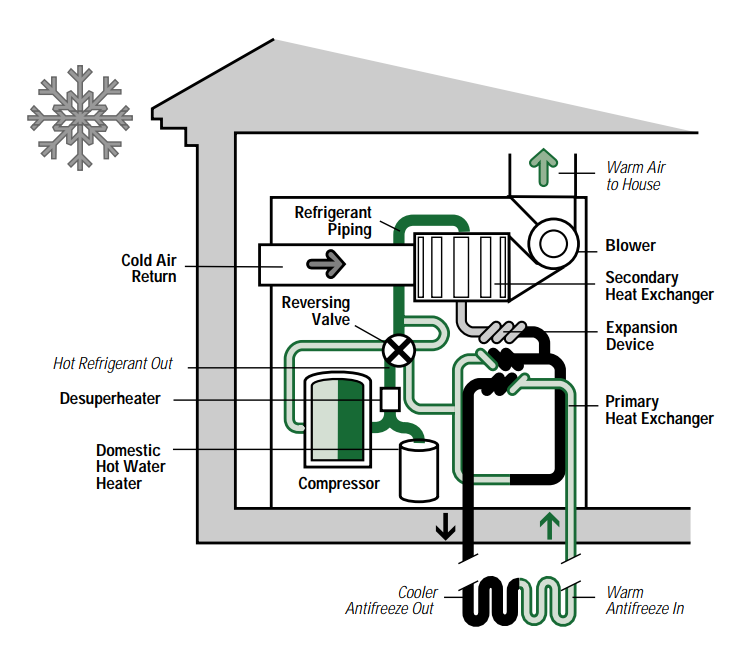
Figure 3: How heat pumps work in both heating and cooling modes
Electric Furnaces: Simple but Costly
Electric furnaces offer the simplest installation and lowest upfront costs, typically ranging from $1,500 to $4,000. They require no gas lines, venting, or complex installation procedures, making them attractive for certain situations.
However, with Illinois electricity rates averaging $0.13 per kWh, electric heating becomes expensive quickly. A 2,000 square foot home heated with an electric furnace can expect annual costs of $1,800 to $2,400, making it the most expensive heating option for most Libertyville homes.
Electric furnaces are typically reserved for homes without natural gas access, additions, or as backup systems for heat pumps.
Detailed Cost Analysis for Libertyville Homeowners
Understanding the true cost of heating your Libertyville home requires analyzing both initial installation costs and long-term operating expenses. The following analysis is based on current energy prices and typical installation costs in the Lake County area.
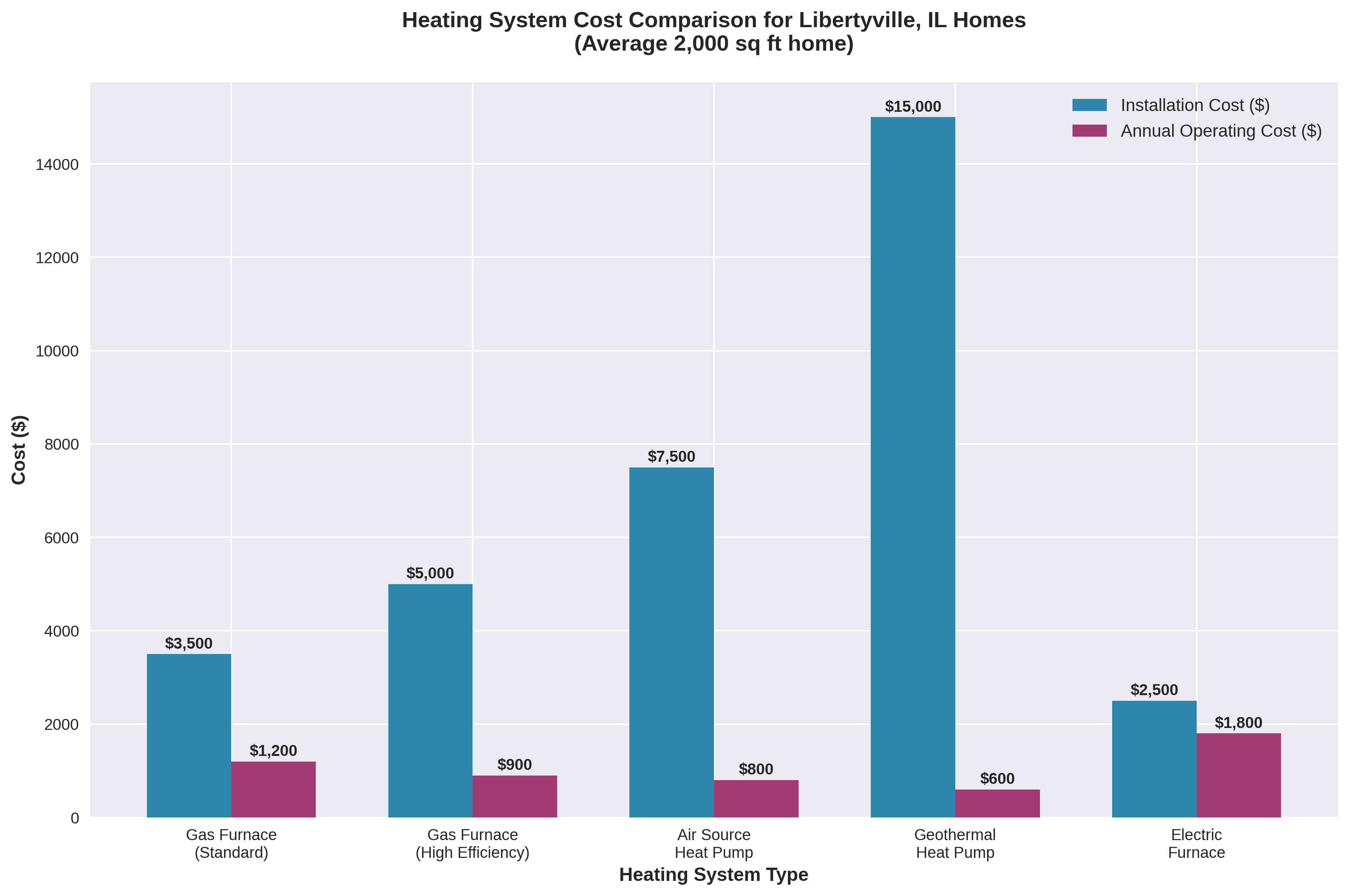
Figure 4: Installation and annual operating cost comparison for different heating systems
Installation Cost Breakdown
Gas Furnaces:
- Standard efficiency (80% AFUE): $2,500 – $4,000
- High efficiency (90%+ AFUE): $4,000 – $6,500
- Premium models (95%+ AFUE): $5,500 – $8,000
Heat Pumps:
- Air source heat pump: $6,000 – $12,000
- Cold-climate heat pump: $8,000 – $15,000
- Geothermal system: $12,000 – $25,000
Electric Systems:
- Electric furnace: $1,500 – $4,000
- Electric baseboard: $800 – $1,500 per room
Installation costs vary based on factors including:
- Existing ductwork condition and modifications needed
- Electrical upgrades required
- Permit and inspection fees ($150-300 in Libertyville)
- Complexity of installation (accessibility, equipment location)
- Seasonal demand (installations cost 10-15% more during peak season)
Annual Operating Cost Analysis
Based on current energy prices in the Libertyville area:
- Natural gas: $1.20 per therm (Nicor Gas residential rate)
- Electricity: $0.13 per kWh (ComEd residential rate)
For a typical 2,000 square foot home with average insulation:
| System Type | Annual Cost | Monthly Average (Heating Season) |
|---|---|---|
| Gas Furnace (80% AFUE) | $1,200 | $171 |
| Gas Furnace (95% AFUE) | $900 | $129 |
| Air Source Heat Pump | $800 | $114 |
| Geothermal Heat Pump | $600 | $86 |
| Electric Furnace | $1,800 | $257 |
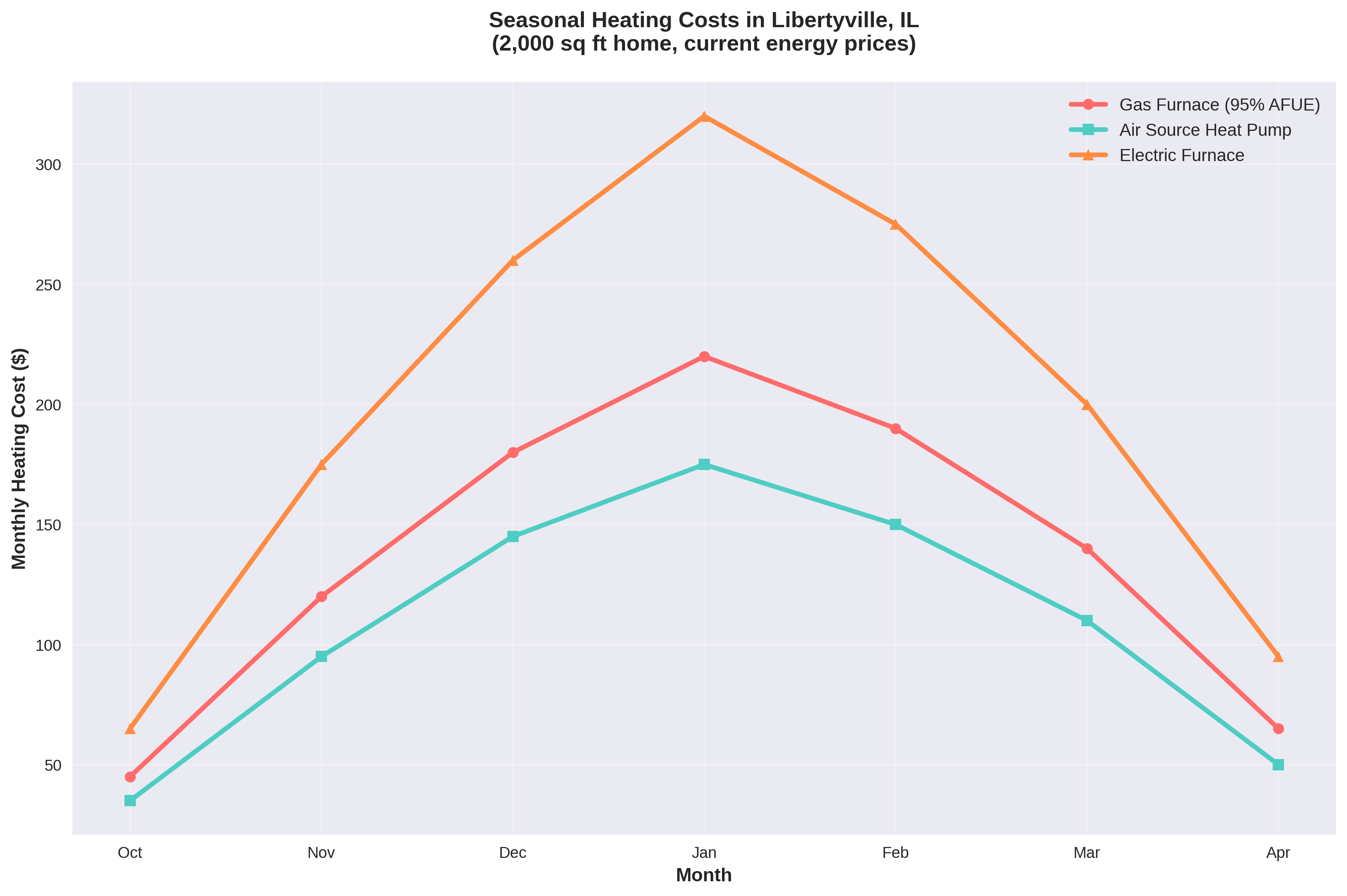
Figure 5: Monthly heating costs throughout the heating season in Libertyville
Long-Term Financial Analysis
When evaluating heating systems, consider the total cost of ownership over the system’s expected lifespan:
15-Year Total Cost Analysis (2,000 sq ft home):
- Standard Gas Furnace: $3,500 (install) + $18,000 (operation) = $21,500
- High-Efficiency Gas Furnace: $5,500 (install) + $13,500 (operation) = $19,000
- Air Source Heat Pump: $9,000 (install) + $12,000 (operation) = $21,000
- Geothermal Heat Pump: $18,000 (install) + $9,000 (operation) = $27,000
- Electric Furnace: $2,500 (install) + $27,000 (operation) = $29,500
This analysis demonstrates that while geothermal systems have the highest initial cost, high-efficiency gas furnaces offer the best balance of performance and value for most Libertyville homeowners.
Energy Efficiency: Understanding Ratings and Real-World Performance
Energy efficiency ratings provide standardized methods for comparing heating systems, but understanding how these ratings translate to real-world performance in Libertyville’s climate is crucial for making informed decisions.
AFUE Ratings for Gas Furnaces
Annual Fuel Utilization Efficiency (AFUE) measures how efficiently a furnace converts fuel to heat over an entire heating season. The rating represents the percentage of fuel that becomes usable heat, with the remainder lost through venting and system inefficiencies.
AFUE Rating Categories:
- Standard Efficiency: 80-85% AFUE
- High Efficiency: 90-95% AFUE
- Premium Efficiency: 95%+ AFUE
In Libertyville’s climate, the efficiency gains from high-AFUE furnaces are particularly valuable due to the extended heating season. A 15% improvement in efficiency (from 80% to 95% AFUE) translates to 15% lower fuel bills throughout the 7-month heating season.
Modern condensing furnaces achieving 95%+ AFUE utilize secondary heat exchangers to capture additional heat from combustion gases. This technology is well-suited to Libertyville’s climate, where consistent heating loads justify the additional complexity and cost.
Heat Pump Efficiency Metrics
Heat pump efficiency is measured differently than furnaces, using Coefficient of Performance (COP) for heating and Heating Season Performance Factor (HSPF) for seasonal efficiency.
COP (Coefficient of Performance):
COP measures instantaneous efficiency at specific outdoor temperatures. A COP of 3.0 means the heat pump produces 3 units of heat for every unit of electricity consumed.
HSPF (Heating Season Performance Factor):
HSPF provides a seasonal average efficiency rating, similar to AFUE for furnaces. Current minimum standards require 8.2 HSPF, while high-efficiency units achieve 10+ HSPF.
For Libertyville applications, cold-climate heat pumps with enhanced low-temperature performance are essential. These units maintain higher COP values at temperatures below 25°F, where standard heat pumps experience significant efficiency degradation.
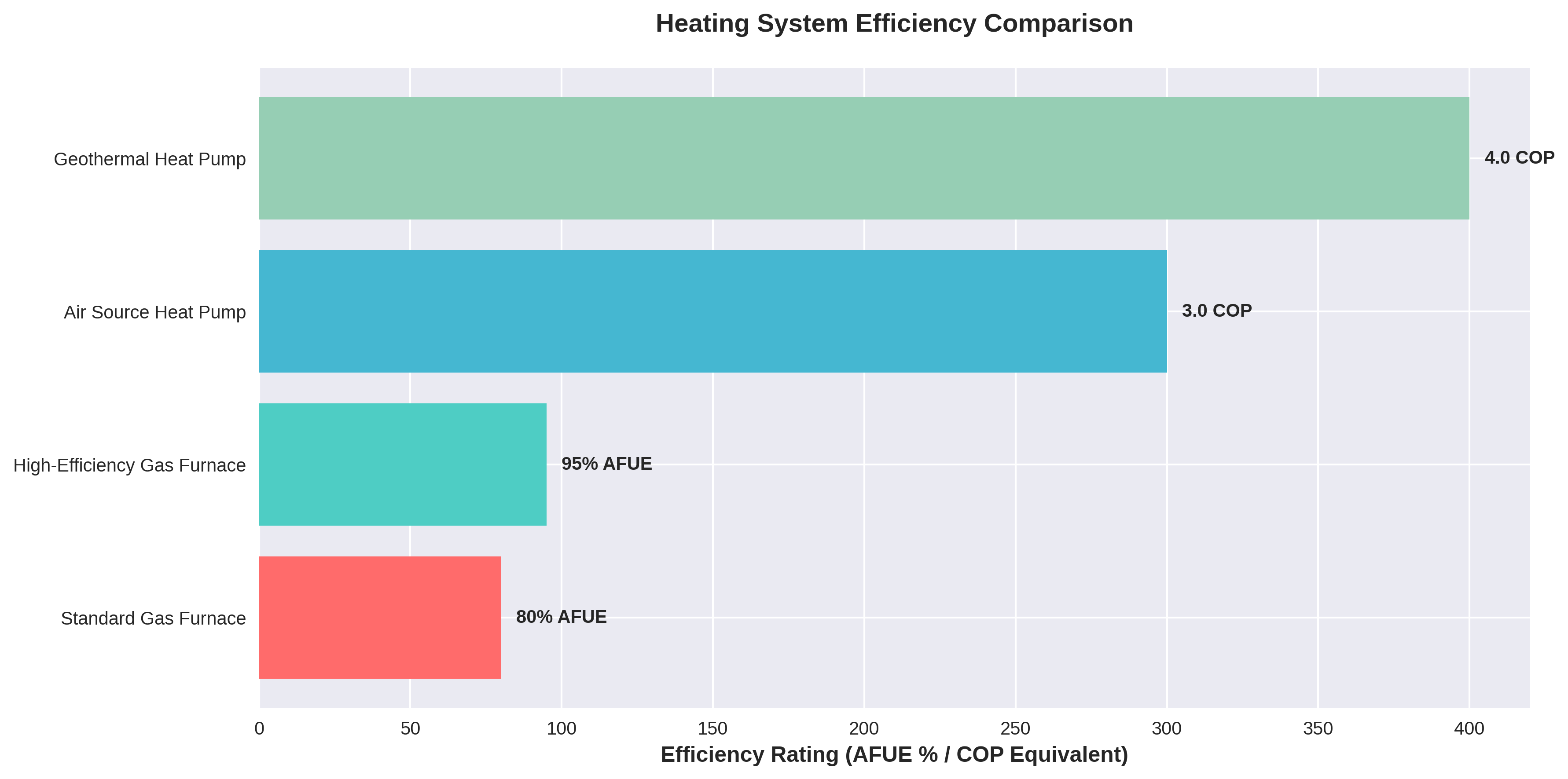
Figure 6: Efficiency ratings comparison across different heating system types
SEER Ratings for Cooling Performance
Since many heating systems also provide cooling, understanding SEER (Seasonal Energy Efficiency Ratio) ratings is important for Libertyville homeowners. Current minimum standards require 14 SEER, while high-efficiency units achieve 20+ SEER.
In Libertyville’s climate, where cooling loads are moderate compared to heating loads, investing in extremely high SEER ratings may not provide proportional returns. A balanced approach targeting 16-18 SEER typically offers the best value proposition.
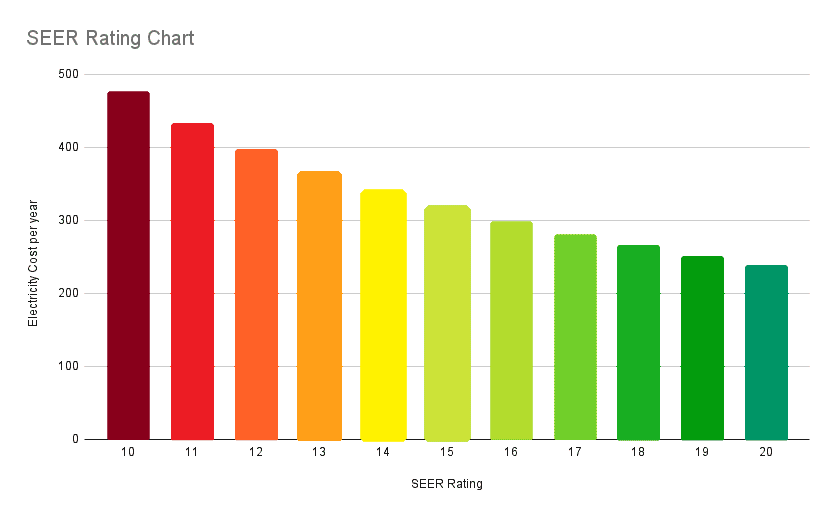
Figure 7: SEER rating scale and efficiency benefits
Proper System Sizing: Critical for Performance and Efficiency
Correctly sizing your heating system is perhaps the most critical factor in achieving optimal performance, efficiency, and comfort in your Libertyville home. Both oversized and undersized systems create problems that impact comfort, efficiency, and equipment longevity.
Manual J Load Calculations
Professional load calculations using Manual J methodology consider multiple factors specific to your home:
Building Envelope Factors:
- Wall, ceiling, and floor insulation levels
- Window types, sizes, and orientations
- Air leakage rates (measured by blower door testing)
- Thermal bridging through framing members
Climate-Specific Factors:
- Libertyville design temperatures (0°F for heating, 91°F for cooling)
- Solar heat gain coefficients
- Internal heat gains from occupants, lighting, and appliances
Home-Specific Factors:
- Square footage and ceiling heights
- Number of occupants and usage patterns
- Existing ductwork design and condition
For a typical Libertyville home, heating loads generally range from 25-45 BTU per square foot, depending on insulation levels and home age. A 2,000 square foot home typically requires 60,000-90,000 BTU/hour heating capacity.
Consequences of Improper Sizing
Oversized Systems:
- Short cycling, leading to poor efficiency and comfort
- Inadequate humidity control during cooling season
- Increased wear and reduced equipment life
- Higher installation and operating costs
Undersized Systems:
- Inability to maintain comfortable temperatures during extreme weather
- Continuous operation leading to higher energy bills
- Reduced equipment life due to constant operation
- Poor humidity control and air quality
Ductwork Considerations
Existing ductwork significantly impacts system sizing and performance. Many Libertyville homes built before 1990 have ductwork designed for less efficient equipment, requiring modifications for optimal performance with modern systems.
Ductwork Evaluation Factors:
- Duct sizing and layout adequacy
- Insulation levels (especially in unconditioned spaces)
- Air leakage rates (should be less than 10% of system capacity)
- Return air adequacy and distribution
Professional ductwork evaluation and sealing can improve system efficiency by 15-25%, making it a worthwhile investment when installing new heating equipment.
Professional Installation: The Foundation of System Performance
The quality of installation directly impacts your heating system’s performance, efficiency, safety, and longevity. In Libertyville’s climate, where heating systems operate extensively, proper installation becomes even more critical.
Gas Furnace Installation Requirements
Safety Considerations:
Gas furnace installation involves multiple safety-critical components that require professional expertise and local code compliance.
Gas Line Sizing and Installation:
Proper gas line sizing ensures adequate fuel delivery under all operating conditions. Undersized gas lines can cause poor performance, incomplete combustion, and safety hazards. Illinois requires licensed gas fitters for all gas line work, with inspections by local authorities.
Venting and Combustion Air:
High-efficiency condensing furnaces require specialized venting materials and techniques. PVC or stainless steel venting must be properly sized, sloped, and terminated to prevent condensate problems and ensure safe operation.
Combustion air requirements vary based on home construction and furnace location. Newer, tighter homes may require dedicated outdoor air supplies to ensure proper combustion and prevent backdrafting.
Electrical Connections:
Modern furnaces require 120V electrical connections for controls, blowers, and safety systems. Proper electrical installation ensures reliable operation and prevents nuisance shutdowns during extreme weather.
Heat Pump Installation Complexities
Heat pump installations involve additional complexities compared to traditional furnaces, requiring specialized knowledge and equipment.
Refrigerant Line Installation:
Proper refrigerant line sizing, routing, and insulation are critical for heat pump performance. Lines must be properly evacuated, pressure tested, and charged with the correct refrigerant type and quantity.
Outdoor Unit Placement:
Outdoor unit location significantly impacts performance and longevity. Units should be:
- Elevated above expected snow levels (18+ inches in Libertyville)
- Protected from prevailing winds when possible
- Located away from dryer vents and other heat sources
- Accessible for maintenance and service
Backup Heat Integration:
Most air source heat pumps in Libertyville require backup heating for extreme cold periods. Proper integration of backup systems ensures seamless operation and optimal efficiency.
Geothermal Installation Considerations
Geothermal systems require the most complex installation process, involving both HVAC and excavation work.
Ground Loop Installation:
Ground loop design depends on soil conditions, available space, and system capacity requirements. Options include:
- Horizontal loops (requiring 1-2 acres for typical homes)
- Vertical loops (requiring specialized drilling equipment)
- Pond loops (where suitable water bodies exist)
Soil thermal conductivity testing helps optimize loop design and ensures adequate heat transfer capacity.
System Integration:
Geothermal systems require careful integration of ground loops, heat pump equipment, and distribution systems. Proper flow rates, pump sizing, and control sequences are critical for optimal performance.
Maintenance Requirements for Optimal Performance
Regular maintenance is essential for maintaining efficiency, preventing breakdowns, and extending equipment life in Libertyville’s demanding climate conditions.
Gas Furnace Maintenance
Annual Professional Service:
Professional annual maintenance should include:
- Heat exchanger inspection for cracks or corrosion
- Burner cleaning and adjustment
- Flue gas analysis to verify proper combustion
- Safety control testing and calibration
- Blower motor lubrication and belt inspection
Homeowner Maintenance Tasks:
- Monthly filter replacement during heating season
- Annual thermostat battery replacement
- Keeping outdoor vents clear of snow and debris
- Visual inspection of venting for damage or blockages
High-Efficiency Furnace Specific Maintenance:
Condensing furnaces require additional maintenance attention:
- Condensate drain cleaning and inspection
- Secondary heat exchanger cleaning
- Intake and exhaust vent inspection
- Condensate pump operation verification
Heat Pump Maintenance
Heat pumps require more frequent maintenance due to year-round operation and outdoor component exposure.
Seasonal Maintenance Tasks:
- Spring: Outdoor coil cleaning, refrigerant level check
- Fall: Defrost system testing, backup heat verification
- Winter: Snow and ice removal from outdoor unit
- Summer: Indoor coil cleaning, ductwork inspection
Professional Service Requirements:
- Bi-annual professional service (spring and fall)
- Refrigerant leak detection and repair
- Electrical connection inspection and tightening
- Compressor and fan motor performance testing
Maintenance Cost Considerations
Regular maintenance costs should be factored into total ownership costs:
Annual Maintenance Costs:
- Gas furnace: $150-250 annually
- Heat pump: $200-350 annually (bi-annual service)
- Geothermal: $200-300 annually
Extended Warranty Options:
Many manufacturers and contractors offer extended warranty programs that include regular maintenance. These programs typically cost $200-400 annually but provide peace of mind and priority service scheduling.
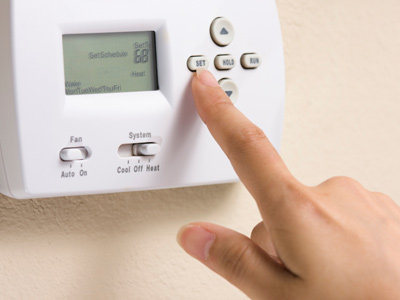
Figure 8: Modern programmable thermostat for optimal heating system control
Financing Options and Incentives for Libertyville Homeowners
Investing in a new heating system represents a significant financial commitment, but numerous financing options and incentives can make high-efficiency systems more affordable for Libertyville homeowners.
Federal Tax Credits and Incentives
The federal government offers substantial tax credits for energy-efficient heating systems through the Inflation Reduction Act, extending through 2032.
Available Tax Credits:
- Heat Pumps: 30% tax credit up to $2,000 per unit
- Geothermal Systems: 30% tax credit with no upper limit
- High-Efficiency Gas Furnaces: Up to $600 for 95%+ AFUE units
- Smart Thermostats: Up to $300 for qualifying models
These credits apply to both equipment and installation costs, providing significant savings for qualifying systems. For a $15,000 geothermal installation, the 30% tax credit provides $4,500 in direct tax savings.
State and Local Incentives
Illinois offers additional incentives through the Illinois Energy Efficiency Portfolio Standard and local utility programs.
ComEd Energy Efficiency Programs:
- Rebates up to $1,200 for high-efficiency heat pumps
- $400-800 rebates for ENERGY STAR furnaces
- Smart thermostat rebates up to $100
Nicor Gas Rebates:
- Up to $1,000 for high-efficiency gas furnaces
- $200-400 for programmable thermostats
- Additional rebates for whole-house efficiency improvements
Financing Programs
Contractor Financing:
Most HVAC contractors, including Legendary Service, offer financing programs with competitive terms:
- 0% APR for 12-24 months on approved credit
- Extended payment plans up to 10 years
- Same-day approval for qualified applicants
Utility Financing Programs:
ComEd and Nicor Gas offer on-bill financing for energy efficiency improvements:
- Payments added to monthly utility bills
- No upfront costs or separate loan applications
- Transferable to new homeowners
PACE Financing:
Property Assessed Clean Energy (PACE) financing allows homeowners to finance energy improvements through property tax assessments:
- Long-term financing up to 20 years
- Payments transfer with property ownership
- No personal credit requirements
Troubleshooting Common Heating Issues in Libertyville
Understanding common heating problems and their solutions can help Libertyville homeowners maintain comfort and avoid emergency service calls during extreme weather.
Gas Furnace Troubleshooting
Furnace Won’t Start:
- Check thermostat settings and battery
- Verify circuit breaker hasn’t tripped
- Inspect gas valve position (should be parallel to pipe)
- Check for blocked vents or air intakes
Insufficient Heat Output:
- Replace dirty air filter (most common cause)
- Check for blocked return air vents
- Verify thermostat calibration
- Inspect ductwork for leaks or disconnections
Strange Noises:
- Rattling: Loose panels or ductwork
- Squealing: Belt or motor bearing issues
- Banging: Delayed ignition or ductwork expansion
High Energy Bills:
- Dirty or clogged air filter
- Leaky ductwork (can waste 20-30% of heated air)
- Thermostat programming issues
- Inadequate insulation or air sealing
Heat Pump Troubleshooting
Heat Pump Not Heating:
- Check thermostat mode (should be set to “heat”)
- Verify outdoor unit isn’t blocked by snow or ice
- Check for tripped breakers (heat pumps have multiple circuits)
- Inspect outdoor unit for ice buildup
Frequent Defrost Cycles:
Normal in Libertyville winters, but excessive defrosting may indicate:
- Low refrigerant levels
- Dirty outdoor coil
- Faulty defrost sensors
- Inadequate airflow
High Electric Bills:
- Heat pump operating in backup heat mode
- Dirty indoor or outdoor coils
- Refrigerant leaks reducing efficiency
- Thermostat programming issues
When to Call Professional Service
Immediate Service Required:
- Gas odors (evacuate and call gas company)
- No heat during extreme cold weather
- Unusual noises or vibrations
- Visible damage to equipment or venting
Schedule Service Soon:
- Gradual decrease in heating performance
- Increasing energy bills without usage changes
- Frequent cycling on and off
- Uneven heating throughout home
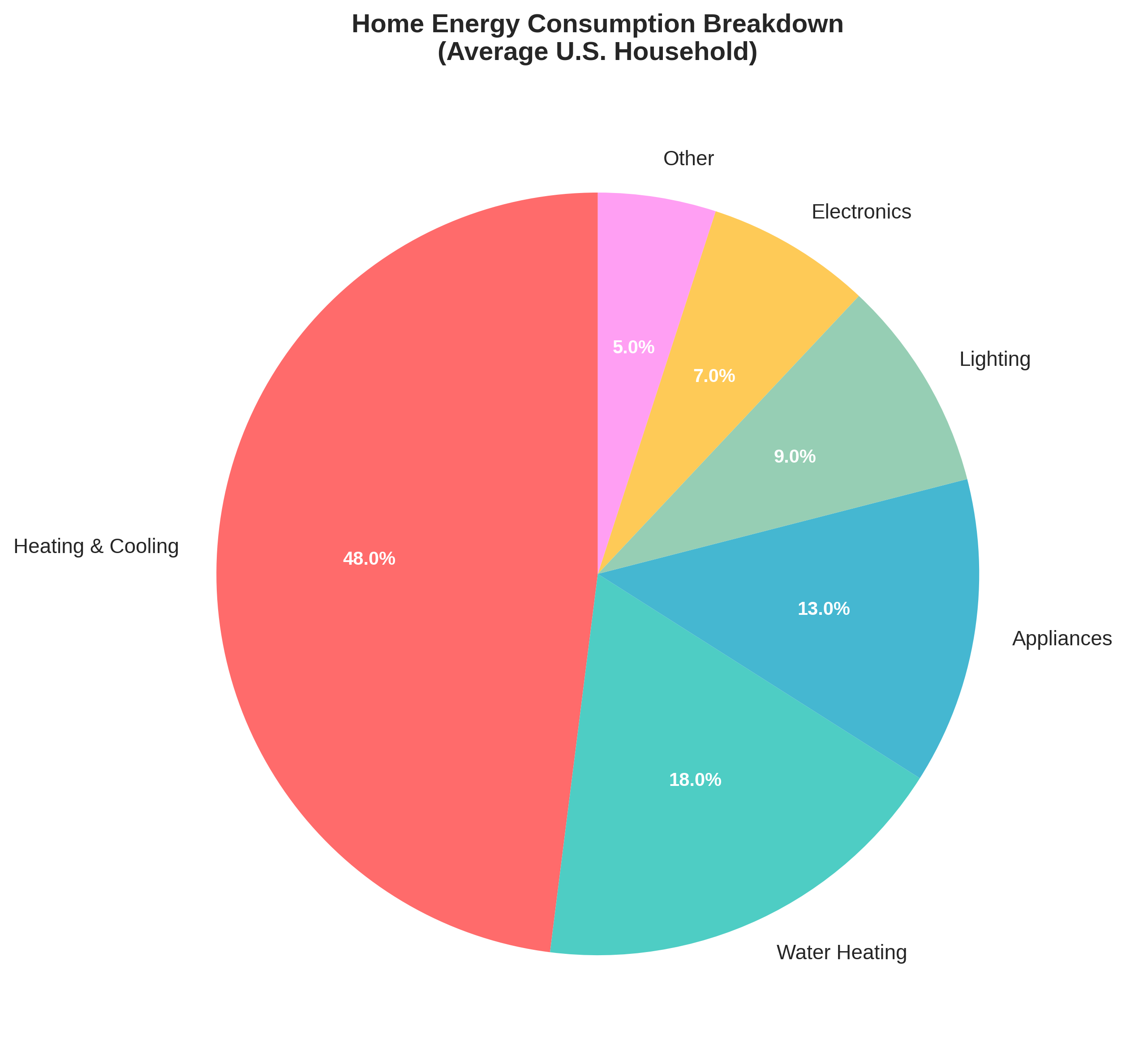
Figure 9: Typical home energy consumption showing heating and cooling’s dominant role
Making the Right Choice for Your Libertyville Home
Selecting the optimal heating system for your Libertyville home requires balancing multiple factors including initial cost, operating expenses, performance characteristics, and your family’s specific needs.
Decision Framework
For Budget-Conscious Homeowners:
High-efficiency gas furnaces (90-95% AFUE) offer the best balance of performance and value for most Libertyville homes. With natural gas infrastructure readily available and competitive pricing, these systems provide reliable heating at reasonable operating costs.
For Maximum Efficiency:
Geothermal heat pumps provide the highest efficiency and lowest operating costs, making them ideal for homeowners planning long-term residence and willing to invest in premium technology.
For Dual-Season Comfort:
Air source heat pumps with backup heating offer excellent cooling performance and good heating efficiency for most of the season, making them attractive for homeowners prioritizing year-round comfort.
For Existing Homes:
Consider your home’s current infrastructure. Homes with existing gas lines and ductwork are well-suited for furnace upgrades, while homes requiring extensive modifications might benefit from alternative solutions.
Climate Change Considerations
As climate patterns evolve, Libertyville may experience milder winters and increased cooling demands. Heat pump systems offer flexibility to adapt to changing conditions while providing both heating and cooling capabilities.
Recent data shows Illinois winters have warmed by 2-3°F over the past 30 years, potentially improving heat pump performance and reducing heating loads. However, extreme weather events may become more frequent, emphasizing the importance of reliable backup systems.
Why Choose Legendary Service for Your Libertyville Heating Needs
Legendary Service has served the Libertyville community for over two decades, providing expert HVAC installation, maintenance, and repair services. Our team understands the unique challenges of Illinois climate and the specific needs of local homeowners.
Our Comprehensive Services
Installation Excellence:
- Factory-trained technicians certified on all major brands
- Proper load calculations and system sizing
- Code-compliant installations with local permit handling
- Comprehensive warranty coverage and service support
Maintenance Programs:
- Annual and bi-annual service agreements
- Priority scheduling for service customers
- Detailed system inspections and performance optimization
- Emergency service availability 24/7/365
Energy Efficiency Expertise:
- Rebate and incentive program navigation
- Whole-house efficiency assessments
- Ductwork evaluation and sealing services
- Smart thermostat installation and programming
Customer Commitment
Our commitment extends beyond installation to ensuring your long-term satisfaction and comfort. We provide:
- Transparent pricing with detailed written estimates
- Financing options to fit your budget
- Ongoing support and maintenance services
- Emergency service when you need it most
Take Action Today: Optimize Your Home’s Heating System
Don’t wait for the next Illinois winter to expose weaknesses in your heating system. Whether you’re dealing with an aging furnace, rising energy bills, or uneven heating throughout your home, now is the ideal time to explore your options and make informed decisions.
Next Steps
- Schedule a Professional Assessment: Contact Legendary Service at (608) 534-3637 to schedule a comprehensive evaluation of your current heating system and home efficiency.
- Explore Financing Options: Discuss available rebates, tax credits, and financing programs to make your investment more affordable.
- Plan for Installation: Schedule installation during shoulder seasons (spring or fall) for better availability and potentially lower costs.
- Consider Whole-House Improvements: Combine heating system upgrades with insulation, air sealing, and ductwork improvements for maximum efficiency gains.
Contact Information
Legendary Service
Phone: (608) 534-3637
Service Areas: Libertyville, IL and surrounding Lake County communities
Website: legendaryservice.com
Our experienced team is ready to help you achieve optimal comfort, efficiency, and value from your heating system investment. Contact us today to begin your journey toward better home heating performance.
References
[1] National Weather Service Chicago Office. “Climate Data for Libertyville, Illinois.” Accessed July 2025. https://www.weather.gov/
[2] Illinois State Climatologist Office. “Illinois Climate Normals 1991-2020.” University of Illinois. https://www.isws.illinois.edu/
[3] Nicor Gas. “Residential Natural Gas Rates – Northern Illinois.” Current tariff schedules. https://www.nicorgas.com/
[4] U.S. Energy Information Administration. “Residential Energy Consumption Survey (RECS) 2020.” https://www.eia.gov/consumption/residential/
[5] ENERGY STAR. “Heat Pump Systems.” U.S. Environmental Protection Agency. https://www.energystar.gov/
[6] Air Conditioning, Heating, and Refrigeration Institute (AHRI). “HVAC Efficiency Standards and Ratings.” https://www.ahrinet.org/
[7] Database of State Incentives for Renewables & Efficiency (DSIRE). “Illinois Incentives and Policies.” https://www.dsireusa.org/
[8] ComEd Energy Efficiency Programs. “Residential Rebates and Incentives.” https://www.comed.com/
[9] Illinois Commerce Commission. “Energy Efficiency Portfolio Standard.” https://www.icc.illinois.gov/
[10] U.S. Department of Energy. “Home Heating Systems.” Office of Energy Efficiency and Renewable Energy. https://www.energy.gov/
This comprehensive guide was prepared by HVAC experts at Legendary Service to help Libertyville homeowners make informed decisions about their heating systems. For personalized recommendations and professional service, contact our team today.